- 2018
WHY “WELL”?
Is the LEED and BREEAM storm that has been blowing through the architecture, design, and construction sectors for the past 10 years giving way to the concept of “Well”?
PROJECT CONCEPT
After this brief introduction, which resembles an equation with many unknowns, let’s get straight to the point. The concept of “well-being” is one that we have been hearing about for the past few years, seeing it pop up in different channels, and now feeling its presence more and more. It is actually an important concept that is right at the heart of life, right in the middle, concerning us and other people. In short, we can define it as “a state of physical and mental balance and good health.” In other words, it is a new trend that we experience but are not aware of, the Turkish equivalent of which is ‘esenlik’ (well-being). In our field of “design,” it is a new area of work that must be taken into consideration and that contains valuable and important details. Indeed, the certification program based on “Well” (Well Building Standard) contains serious and noteworthy information.
Now, let’s delve a little deeper into the details of this concept with some scientific figures; scientific research conducted in different countries around the world has revealed that we actually spend 95% of our time indoors and an average of 11 hours of each day connected (online). By connected, we mean we live in front of screens, with our tablets and smartphones in our hands. According to another study, an employee spends an average of 4 to 8 days per year on sick leave, visiting the doctor. Of the illnesses that lead to doctor visits, about 40% are stress-related illnesses. Are these figures surprising for those of us living in big cities? We don’t think so.
Numbers aside, do we actually know what threatens our health and well-being in our daily lives, and what negative consequences these threats cause? What could be the source of our insomnia or excessive weight gain? Or do these harmful factors cause more serious and even fatal conditions? We could easily multiply these questions.
You don’t create unforgettable spaces all over the world with a single design tool. Our expertise in drawing people together is as broad as it is deep. It draws from a variety of disciplines, each one contributing to the bigger picture and sustainable growth. More than 3,000 projects fill our portfolio, but it’s the millions of people who experience them who matter most. We’ve grouped our work into five categories: places, venues, spaces, experiences and events.
Let’s set aside what we’ve written so far and approach the subject from a different angle. Are the current Generation Y and Generation Z, the new generation of workers whose footsteps we hear approaching, satisfied with their jobs and workplaces? Are they satisfied with the physical conditions at their workplaces? What are their expectations from their jobs and workplaces? We can answer this question as follows: one-third of this generation, who are job seekers and attend job interviews, primarily pay attention to office design and the physical aspects of the office when choosing a job. Aside from the salary, social opportunities, and all other benefits offered by the workplace, the physical conditions of the office are a serious selection criterion.
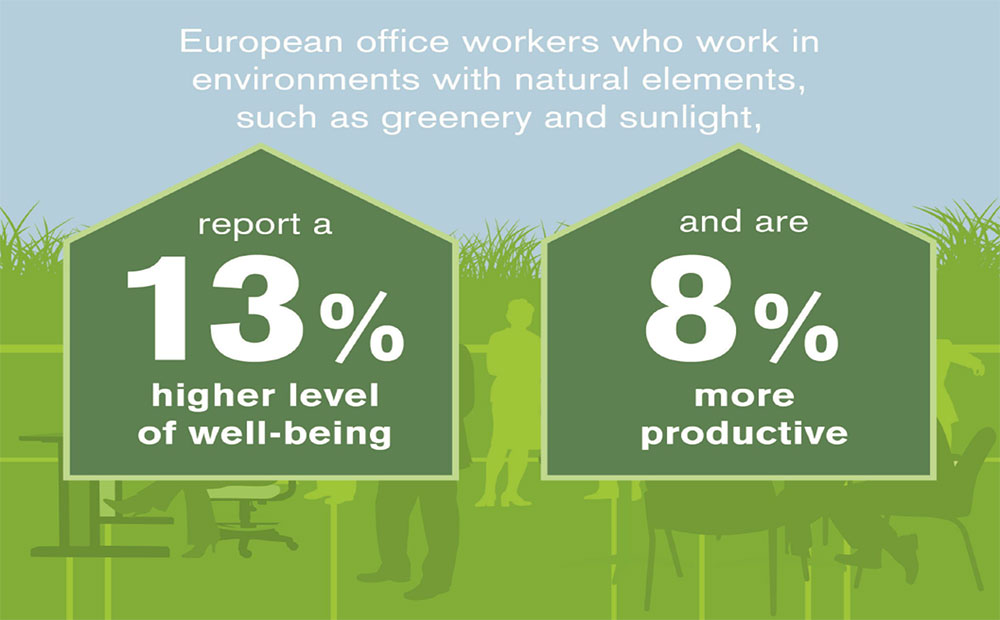
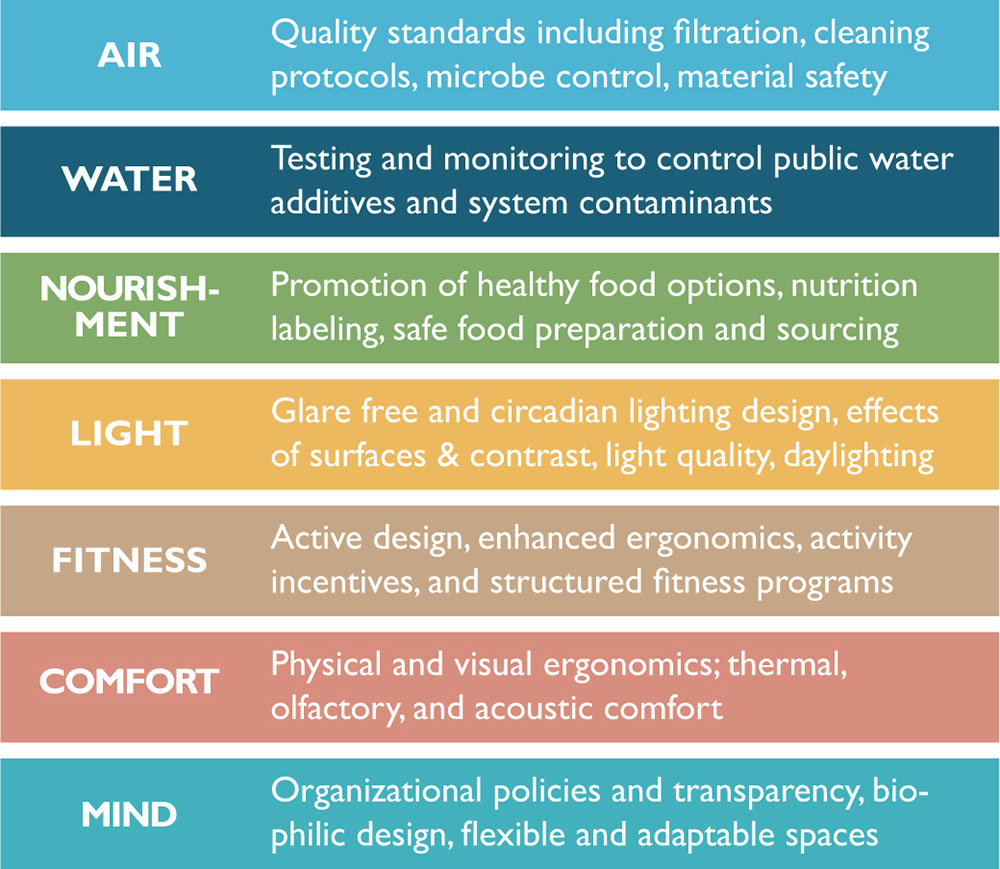
The concept of “well-being,” which we have briefly touched upon, is as important to employees as it is to every space and environment where human beings live their lives, and its importance will increase with each passing year. For this reason, this seemingly new concept will now “enable” offices like ours, which work in architecture and design, to place people at the center of our work and to adopt a human-centered design approach in our projects. (We don’t say “will cause” because this is an important “positive” impact). Projects that are not only visually appealing, stylish, and aesthetic, but also embrace nature, incorporate natural elements, focus on people, and are designed with human health and well-being in mind will be more valuable.
We must remember that no investment is more valuable than one made in people. To put it simply, every penny spent on human well-being will yield positive results in the form of health, peace, happiness, well-being, motivation, productivity, efficiency, loyalty, economy, profit, and many other benefits.
Knowledge grows and becomes more valuable when shared. We are taking the first step in this series with this principle in mind, and we would like to mention that in our subsequent articles, we will go into a little more detail and fill in the concept with some basic information.